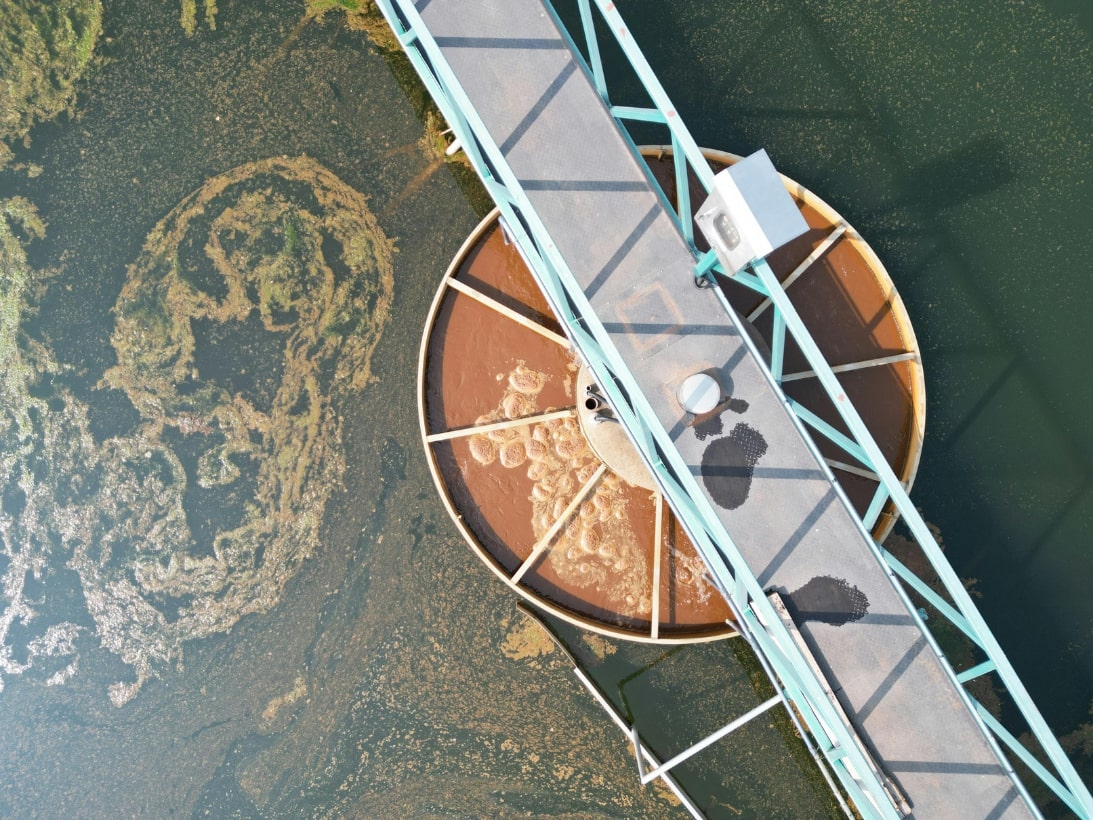
URBAN SANITATION AND WASTEWATER MANAGEMENT
Locally appropriate, data driven, sustainable solutions are necessary for maintaining clean cities, healthy citizens, and preventing pollution of water bodies
Locally appropriate, data driven, sustainable solutions are necessary for maintaining clean cities, healthy citizens, and preventing pollution of water bodies
There is a large gap in availability of public toilets across India's cities. Existing public toilets are not clean and usable.
Currently, 10% of cities in India have sewage treatment plants. 70% of sewage flows untreated into water bodies.
Most large cities in India supply water from rivers far away at a huge energy cost - local sources of water, including treated wastewater are not utilized optimally
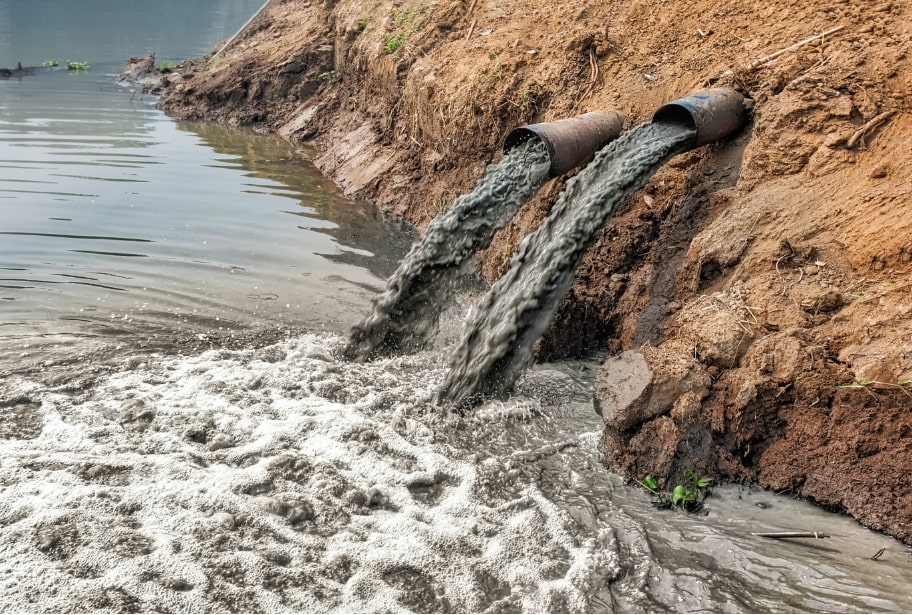
We help cities adopt data driven approach to understand the risks, identify gaps, engage communities, and take action for clean toilets, safe wastewater management, and reuse of treated wastewater.
We help cities achieve universal, inclusive, and usable toilets
We help cities better manage their toilets by providing them with tools to address
We help cities identify locations and implement new toilets based on citizen consultation to improve toilet coverage
We help cities manage 100% of their wastewater using a combination of locally appropriate solutions through a standardised, scalable, data driven methodology
We rejuvenate waterbodies by preventing pollution, restoring capacity, conserving bio-diversity, and promoting community engagement
We help cities enhance water security by reusing treated wastewater
Our programs impact change at an ecosystem level - from grassroots to policy making.
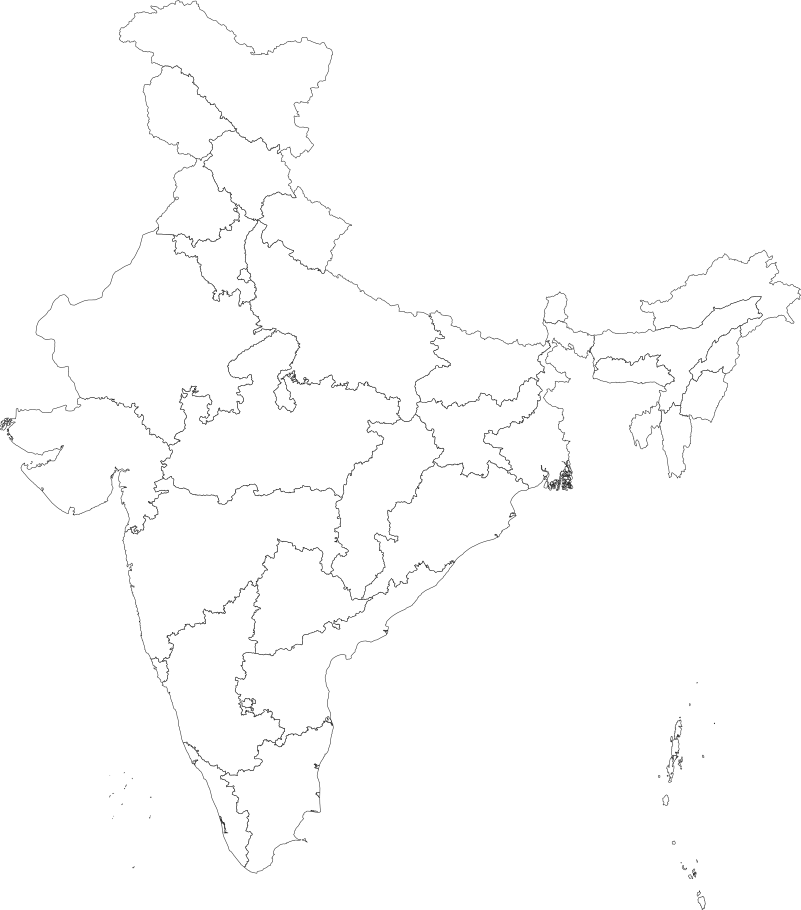
Implemented Swachh Bharat Mission initiatives across urban areas
Public Toilets assessed, monitored, and improved through data-driven systems
Improved Swachh Survekshan rankings through technical assistance
How our work achieves public health and environmental outcomes
Public toilets are arguably one of the most popular spaces for service delivery, catering to millions of citizens and improving public health, hygiene, and dignity, especially for underserved urban communities. India added around 39 lakh public/community toilet seats/toilets in its cities from various schemes over the last 10 years (Census 2011, U) However, despite the construction of these facilities by urban local bodies (ULB), the ULBs lack the resources to monitor and maintain these toilets, leading to less than optimal utilization rates.
The lack of proper monitoring of this mission. But in most places the data collection is not there. This lack of data leads to a situation in which the local bodies have limited knowledge about the utilization levels of the existing facilities and their conditions and existing problems.
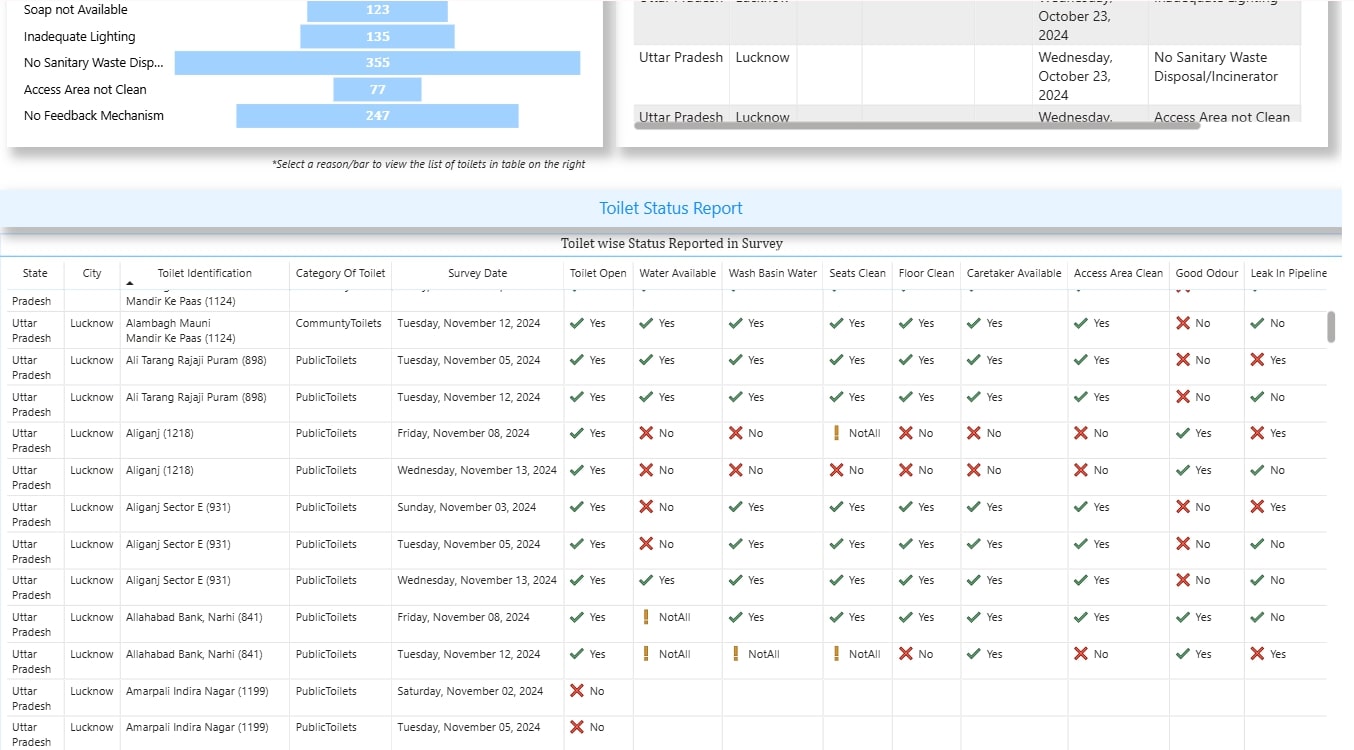
Pronounced public apathy and the low expectations to public toilets from the citizens are the reasons for users to not report issues. As a result, a key feedback mechanism for the city officials to know about their public toilets is broken. On top of this, ULBs do not have a regular monitoring mechanism to understand the status of their toilets. Consequently city officials are left without a clear understanding of the usability and conditions of these valuable assets at any given time.
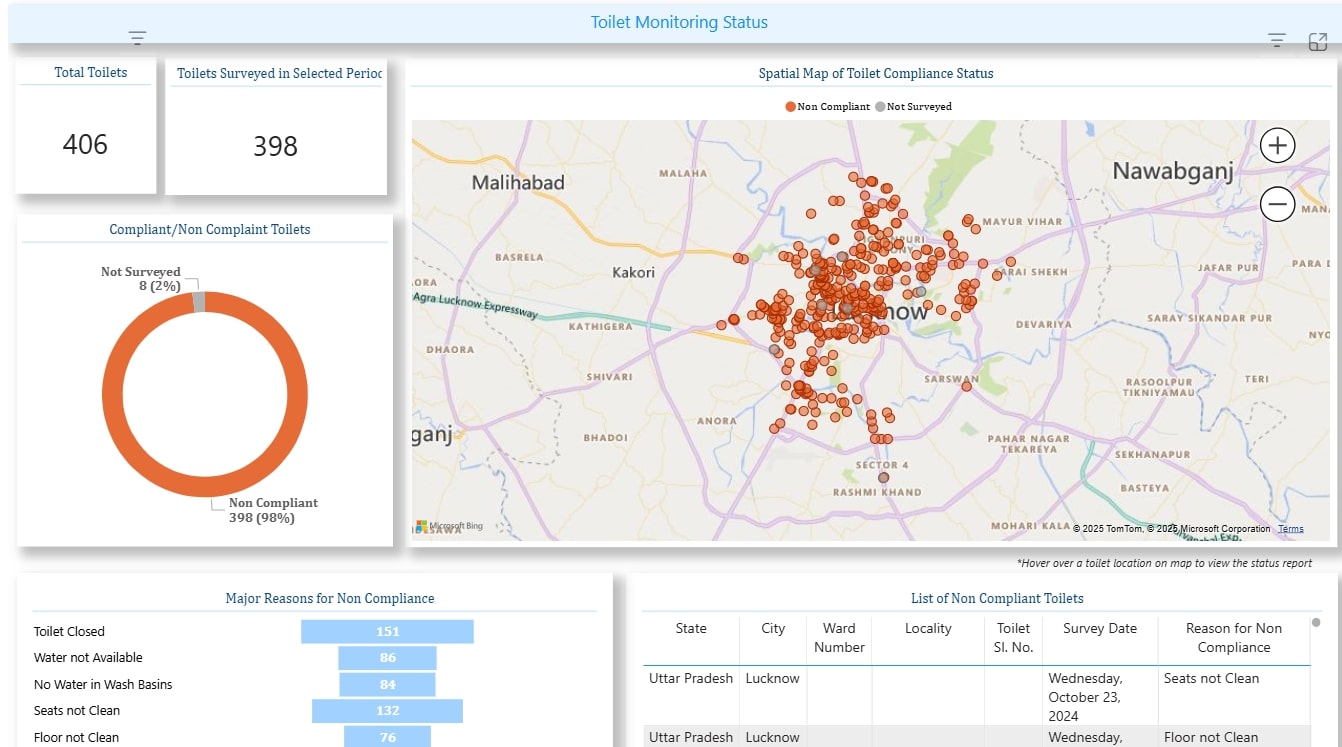
Pronounced public apathy and the low expectations to public toilets from the citizens are the reasons for users to not report issues. As a result, a key feedback mechanism for the city officials to know about their public toilets is broken. On top of this, ULBs do not have a regular monitoring mechanism to understand the status of their toilets. Consequently city officials are left without a clear understanding of the usability and conditions of these valuable assets at any given time.

Our data-driven approach combines spatial analysis, flow monitoring, and treatment capacity assessment to create comprehensive wastewater management plans. We use GIS mapping to identify all wastewater sources, analyze treatment gaps, and design optimal collection and treatment networks.
This methodology ensures no wastewater goes untreated by creating accountability systems, monitoring infrastructure performance, and enabling adaptive management based on real-time data.
In Raichur, we implemented a comprehensive waterbody rejuvenation program that addressed pollution sources, restored natural filtration systems, and engaged local communities in ongoing maintenance. Our approach combined engineering solutions with ecosystem restoration.
The results include improved water quality, increased biodiversity, enhanced flood management, and sustainable community-based management systems that ensure long-term health of the waterbodies.
We adapt the national wastewater reuse framework to local contexts by conducting detailed water audits, identifying reuse opportunities, and designing treatment systems that meet specific quality standards for different applications like irrigation, industrial use, and groundwater recharge.
Our implementation includes creating distribution networks, establishing quality monitoring systems, and building capacity among local operators to ensure sustainable water reuse programs that enhance urban water security.
Join our mission to transform urban sanitation across India. Whether you're a government entity, donor organization, or implementation partner, we're ready to collaborate.
Support our Urban Sanitation Program with funding that creates lasting impact.
Bring our expertise to your municipality to improve urban sanitation systems.
Partner with us on research, implementation, or technology development.